
 Directos
When a subscription app reaches a large enough user base, rumors follow. Some are based on real frustrations. Some come from misunderstandings. A few are repeated by people who never used the product. The honest SmartyMe app scam conversation deserves a calm look at the specific rumors that circulate and what's actually true about each one. This is a fact-check of the most common claims, written for people who want answers rather than alarm.
The Most Common Rumors Worth Addressing
Across user discussions and search trends, the same few claims keep coming up. Each deserves a clear answer rather than a dismissal:
- "The app charges you and disappears" - not what happens; the company is registered and reachable
- "Refunds are impossible" - refunds exist but follow standard subscription processes
- "There's no real company behind the app" - there is, and it's documented
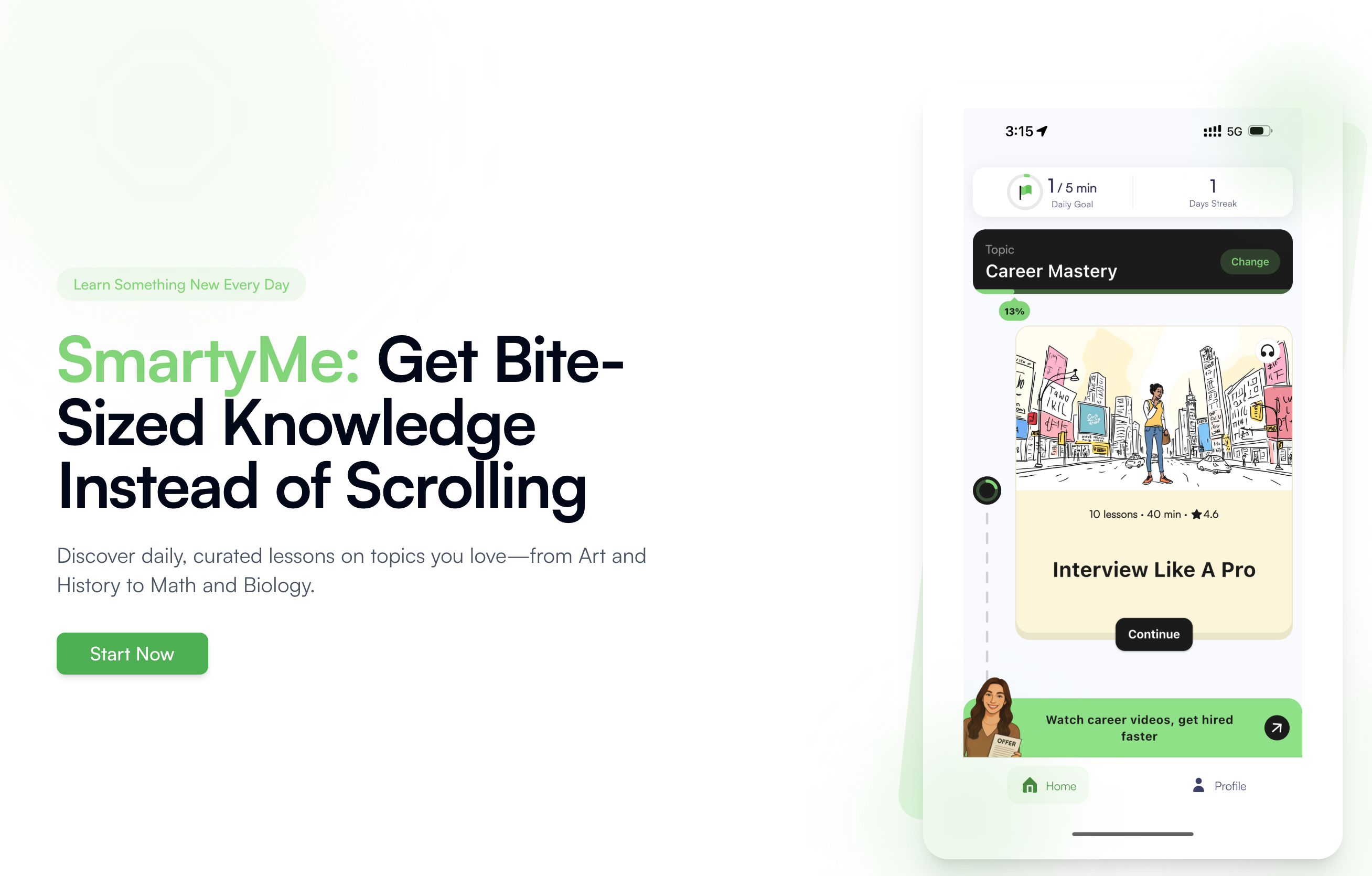
- "The content is fake" - the catalog is real and available to view before subscribing
- "It's just designed to trick you into paying" - the subscription terms are documented, not hidden
None of these rumors hold up when checked against verifiable information. The recurring pattern is the same: a frustration gets exaggerated, repeated, and turns into a "scam" claim that doesn't match the actual product. Sorting rumor from fact helps anyone considering the platform make a clear decision based on what's real.
What's Actually Verifiable
The company behind the app is StellarTech Group, a registered business with documented contact information and a public legal presence. The app is distributed through Google Play and the iOS App Store, both of which run their own approval processes before listing applications. Apps that don't meet these requirements don't stay listed.
The platform shows 1.5M downloads and around 400,000 active users, with a 4.6 rating on the US App Store (April 2026) and 4.1 on Trustpilot (April 2026). The volume of public engagement at this scale is impossible to fake, and any coordinated fraud would surface quickly across community discussions and external reviews. For users wanting to see how real people talk about the app,https://www.reddit.com/r/Smartymeapp/comments/1qp7lr5/welcome_to_rsmartymeapp_you_can_start_here/ has a welcome guide written for newcomers checking the product before paying.
Where the Frustrations Actually Come From
Most "scam" rumors trace back to a small set of common subscription situations. The first period of a subscription is often discounted, which makes the renewal price feel like a surprise to users who didn't read the terms. Auto-renewal is standard for subscription apps in 2026, and the terms describe it clearly, but it's the part most people skip at signup.
The other recurring source is refund confusion. Web subscriptions and mobile subscriptions follow different processes. Web subscriptions go through the company directly, with refund options documented in the terms. Mobile subscriptions, which is what users of the microlearning app on Google Play encounter, are handled through Google's standard refund process. This isn't a SmartyMe-specific policy. It's how Google Play handles all in-app purchases. Knowing which path applies to your subscription saves the confusion that turns into "scam" claims later.
What This Means for Anyone Subscribing
A balanced SmartyMe review acknowledges that subscription friction is real and not the same as fraud. The product is a legitimate subscription app from a registered company, with the same kinds of subscription quirks any paid digital service has. The "scam" framing doesn't fit the facts, but the frustrations behind some of the claims are worth taking seriously when you sign up. Among the more thoughtful posts on Trustpilot, this one stands out for how clearly it describes the daily use.

The practical advice for anyone considering the app on Google Play is straightforward: read the terms once at signup, understand that subscriptions renew automatically unless you cancel, and use Google Play's standard process for any refund needs. Doing these small things at the start makes the entire "is it a scam" question irrelevant to your actual experience with the product.
Separating Rumor From Reality
The honest answer to whether the rumors are true is no. The honest answer to whether some users have had frustrating subscription experiences is yes. Those are two different things. Conflating them produces the "scam" search trends that don't match what's actually happening with the product. Reading the terms, picking a short subscription to test the format, and treating it as you would any paid service is what separates a clear decision from one based on rumor. The product itself, when used as designed, delivers what it advertises.